
Where to Stay in China
A regional guide to accommodation across the country
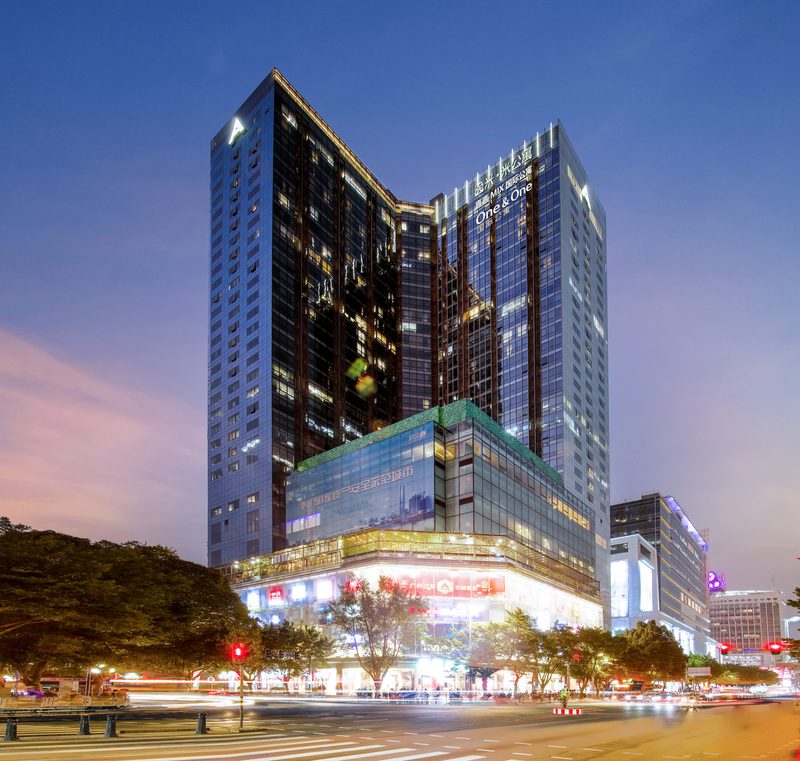
China spreads across seven clear-cut accommodation zones. The eastern megacities, Beijing, Shanghai, Guangzhou, Shenzhen, stack glass-and-steel towers stuffed with international chains, converted hutong boutique houses, and capsule hotels that glow neon once the sun drops. Push west and the ancient Silk-Road cities of Xi'an and Chengdu pair courtyard guesthouses with modern business hotels where steam from noodle carts drifts straight past the lobby doors. South of the Yangtze, the karst hills around Guilin and Yangshuo conceal riverside lodges built from bamboo, while Hainan Island lines its crescent beaches with family resorts smelling of coconut and salt. Head north to Harbin and you'll bed down in ice-themed hotels and Soviet-era brick buildings heated by clanking radiators. Prices sit far below Western norms. A clean private room in a mid-range city hotel usually costs less than a hostel bunk in Tokyo. Budget travelers survive on rock-bottom dorms in Kunming or Chengdu courtyards, while luxury seekers score gleaming Peninsula suites in Shanghai for half the price of Paris. Domestic travel peaks around Chinese New Year when every train and hotel sells out months ahead.
Where to Stay in China
Hand-picked hotels across price tiers for every visitor.
★★★★
Mid-Range
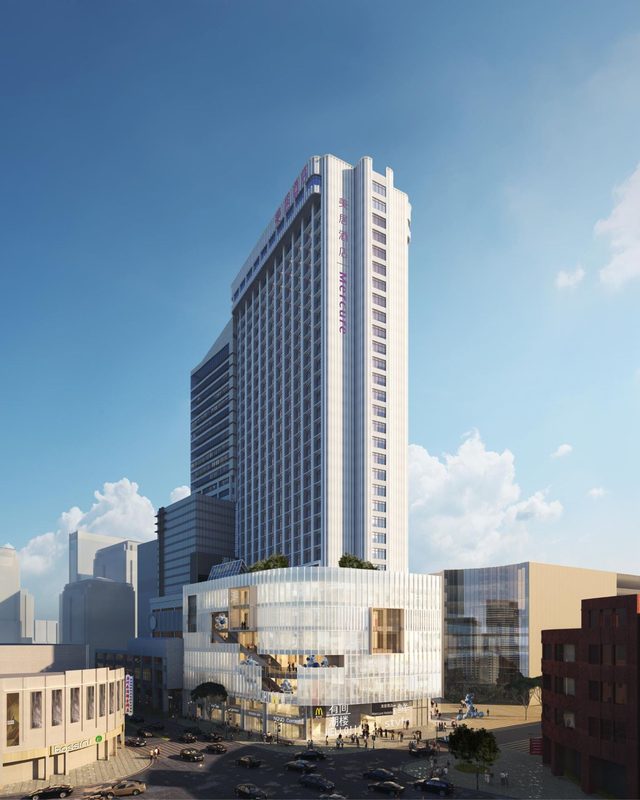
Mercure Guangzhou Beijing Road Pedestrian Street Hotel
From $91 / night
Check Prices on Trip.com →
Our Top Picks
The highest-rated hotel in each price range, selected from across China.
Top Pick: Beijing Region
"The room beautifully blends historical charm with modern decorative elements. Ov…"
Gym
Public parking
Luggage storage
Restaurant
Top Pick: Beijing Region
Mid Range
Blossom House Shanghai On The Bund
"We booked a family room and were later upgraded to a family balcony room with a…"
Gym
Private parking
Public parking
Library
Top Pick: Beijing Region
Luxury
SHANGYING CHAO
"We hosted a private event in the Garden Suite and had an outstanding stay. The s…"
Gym
Public parking
Car rentals
Bar
Find Hotels Across China
Compare prices from hotels across all regions
Search HotelsPrices via Trip.com. We may earn a commission from bookings.
Regions of China
Each region offers a distinct character and accommodation scene. Find the one that matches your travel plans.
Beijing Region
Mid-range
Beijing blends imperial grandeur with modern architecture. Sleep inside renovated siheyuan courtyards near the Forbidden City or pick high-rise towers overlooking Tiananmen Square.
Accommodation: Heritage courtyard hotels within hutongs, international chains along Chang'an Avenue, backpacker hostels near Lama Temple
Gateway Cities
Beijing
Tianjin
Where to stay in this region
"The room beautifully blends historical charm with modern decorative elements. Ov…"
Gym
Public parking
Luggage storage
Restaurant
✓ Verified
Check prices on Trip.com →
Mid Range
Blossom House Shanghai On The Bund
"We booked a family room and were later upgraded to a family balcony room with a…"
Gym
Private parking
Public parking
Library
✓ Verified
Check prices on Trip.com →
Luxury
SHANGYING CHAO
"We hosted a private event in the Garden Suite and had an outstanding stay. The s…"
Gym
Public parking
Car rentals
Bar
✓ Verified
Check prices on Trip.com →
Mid Range
Shanghai Marriott Marquis City Centre
"The JW Marriott Marquis at People's Square is a no-brainer, absolutely no regret…"
Indoor swimming pool
Sauna
Spa
Massage room
✓ Verified
Check prices on Trip.com →
Mid Range
Shangri-La Qiantan, Shanghai
"Joey, the room manager, noticed we were traveling with a child and kindly upgrad…"
Indoor swimming pool
Spa
Executive lounge
Gym
✓ Verified
Check prices on Trip.com →
Shanghai & Yangtze Delta
Luxury
Shanghai dazzles with riverside Art-Deco glamour and Pudong skyscrapers. Nearby Suzhou and Hangzhou deliver canal-side guesthouses and lake-view resorts.
Accommodation: Heritage Bund hotels, capsule towers in Pudong, canal-side inns in water towns
Gateway Cities
Shanghai
Hangzhou
Suzhou
Where to stay in this region
"Great location, new facilities. Only issue on the 1st day with the check in st…"
Gym
Luggage storage
Restaurant
Cafe
✓ Verified
Check prices on Trip.com →
"We chose the Ruijin Intercontinental for our Chinese New Year celebrations, and…"
Indoor swimming pool
Massage room
Executive lounge
Gym
✓ Verified
Check prices on Trip.com →
Luxury
The Sukhothai Shanghai
"The location is super convenient, for shopping. It's right next to Ta"
Indoor swimming pool
Sauna
Spa
Massage room
✓ Verified
Check prices on Trip.com →
"This is the most convenient hotel for transfers at Pudong Airport. You can reach…"
Public parking
EV charging station
Luggage storage
Restaurant
✓ Verified
Check prices on Trip.com →
"Came to Shanghai for a holiday during the Chinese New Year, and stayed here for…"
Indoor swimming pool
Sauna
Spa
Massage room
✓ Verified
Check prices on Trip.com →
Pearl River Delta
Mid-range
Guangzhou and Shenzhen pulse with Cantonese energy. Crash in riverside art hotels, container hostels in former factories, or beach resorts on nearby Hainan Island.
Accommodation: Factory-turned-design hostels, riverside skyscrapers, tropical resorts on Hainan
Gateway Cities
Guangzhou
Shenzhen
Zhuhai
Where to stay in this region
Budget
Homeinn Plus
"The hotel is very clean and the service is excellent. Super recommend it"
Gym
Luggage storage
Restaurant
Taxi booking service
✓ Verified
Check prices on Trip.com →
Mid Range
Xijiao State Guest Hotel
"It's a good place for family retreat as it's hidden away from the hustling city…"
Indoor swimming pool
Executive lounge
Gym
Private parking
✓ Verified
Check prices on Trip.com →
Mid Range
OPARTMENT The Far Eastern Hotel
"First off, being pet-friendly is a huge plus! The exterior has a vintage feel, w…"
Public parking
Priority airport pick-up
Bar
Taxi booking service
✓ Verified
Check prices on Trip.com →
"I had a wonderful 3 nights stay at this hotel. My room was clean and quiet with…"
Executive lounge
Gym
Public parking
Priority airport pick-up
✓ Verified
Check prices on Trip.com →
"Our family booked 3 rooms. All rooms are big and clean. Delicious breakfast👍. We…"
Gym
Private parking
Airport shuttle pick-up
Luggage storage
✓ Verified
Check prices on Trip.com →
Silk Road Heartland
Budget
Xi'an and Dunhuang anchor the ancient trade route. Stay in Tang-style palaces, courtyard hotels inside the Muslim Quarter, or desert lodges under the Milky Way.
Accommodation: Walled courtyard hotels, cave-style desert lodges, Tang-dynasty themed palaces
Gateway Cities
Xi’an
Lanzhou
Dunhuang
Where to stay in this region
Budget
Hotel Chalet Shanghai
"The windowless room was stuffy. But everything else was okay. I mainly wa"
Gym
Public parking
Luggage storage
Restaurant
✓ Verified
Check prices on Trip.com →
Mid Range
Kerry Hotel Pudong Shanghai
"Family-friendly hotel, let's start with the positives: 1. The indoor playground…"
Indoor swimming pool
Sauna
Spa
Massage room
✓ Verified
Check prices on Trip.com →
Budget
Novotel Shanghai Clover
"The service was great! After a long day at Disney, it was so thoughtful to come…"
Outdoor swimming pool
Spa
Massage room
Gym
✓ Verified
Check prices on Trip.com →
"Highly recommend! The location is excellent, with plenty of dining, entertainmen…"
Outdoor swimming pool
Gym
Public parking
Tea room
✓ Verified
Check prices on Trip.com →
"We have been traveling across China with 2 families for 5+ days (in this hotel 5…"
Gym
Public parking
Priority airport pick-up
Luggage storage
✓ Verified
Check prices on Trip.com →
Sichuan & Chongqing
Budget to Mid-range
Chengdu teems with spicy hotpot steam and lazy pandas. Chongqing rises in neon tiers above the Yangtze, while mountain monasteries in Emeishan hand over temple lodging.
Accommodation: Teahouse courtyards, skyscraper hotels above the Yangtze, monastery stays in Emeishan
Gateway Cities
Chengdu
Chongqing
Jiuzhaigou
Where to stay in this region
"Excellent Location and Great Stay! ⭐⭐⭐⭐⭐ Treasure Hotel on Nanjing Road is a to…"
Gym
Luggage storage
Restaurant
Cafe
✓ Verified
Check prices on Trip.com →
Mid Range
Radisson Blu Hotel Shanghai New World
"The Radisson Blu New World in Shanghai was a memorable stay, well loc"
Indoor swimming pool
Spa
Massage room
Executive lounge
✓ Verified
Check prices on Trip.com →
"I went to Lingang for a conference and stayed at both Hyatt and InterContinental…"
Indoor swimming pool
Executive lounge
Gym
Public parking
✓ Verified
Check prices on Trip.com →
Mid Range
The Langham Shanghai Xintiandi
"The facilities are complete, and the hygiene is spotless. The room is spacious a…"
Indoor swimming pool
Sauna
Spa
Massage room
✓ Verified
Check prices on Trip.com →
"My first night in Shanghai, I stayed at the Home Inn North Bund and was very dis…"
Luggage storage
Restaurant
Cafe
Service robots
✓ Verified
Check prices on Trip.com →
Southwest Karst
Budget
Guilin and Yangshuo's limestone pinnacles rise above the Li River. Bed down in bamboo lodges where fishermen cast cormorant nets at dusk and breakfast smells of osmanthus flowers.
Accommodation: Bamboo eco-lodges, riverside guesthouses, ethnic-minority stilt homes
Gateway Cities
Guilin
Yangshuo
Kunming
Where to stay in this region
"- The room was very clean. The bed linens were changed and the room was cleaned…"
Luggage storage
Taxi booking service
Wake-up call
Wi-Fi in public areas
✓ Verified
Check prices on Trip.com →
"The king-size bed rooms only offer 1.8m beds if you opt for the 'Exclusive' cate…"
Gym
Bar
Restaurant
Cafe
✓ Verified
Check prices on Trip.com →
"A newly built hotel so the rooms are very clean. Free airport transfer and free…"
Gym
Private parking
EV charging station
Airport shuttle pick-up
✓ Verified
Check prices on Trip.com →
Mid Range
The Bund Puyan Hotel, Shanghai
"My stay at this hotel during my Shanghai trip far exceeded my expectations, it d…"
Gym
Public parking
Restaurant
Taxi booking service
✓ Verified
Check prices on Trip.com →
Mid Range
Pudong Shangri-La, Shanghai
"The hotel's location is excellent, with plenty of great food options just across…"
Indoor swimming pool
Spa
Executive lounge
Gym
✓ Verified
Check prices on Trip.com →
Northeast & Harbin
Mid-range
Harbin's Russian onion domes sparkle under winter ice. Crash in ice-sculpture hotels where vodka warms your breath, or wooden Siberian villas smelling of pine and hotpot.
Accommodation: Ice hotels with reindeer skins, Soviet brick hotels, timber ski lodges
Gateway Cities
Harbin
Changchun
Shenyang
Where to stay in this region
"I stayed in a double bed room without a window and was impressed. Desp"
Luggage storage
Restaurant
Cafe
Taxi booking service
✓ Verified
Check prices on Trip.com →
"I arrived in Shanghai yesterday and headed straight to the hotel. It was super e…"
Indoor swimming pool
Executive lounge
Gym
Public parking
✓ Verified
Check prices on Trip.com →
"The location is superb! From the room, you can directly overlook the Huangpu Riv…"
Gym
Bar
3 Restaurants
Cafe
✓ Verified
Check prices on Trip.com →
"The location is very good and easy to access the Metro station, close to the Mal…"
Luggage storage
Restaurant
Service robots
Wake-up call
✓ Verified
Check prices on Trip.com →
"Very friendly staff,but i should mention that there was no window, and i dont th…"
Hiking
Gym
Public parking
Luggage storage
✓ Verified
Check prices on Trip.com →
Accommodation Landscape
What to expect from accommodation options across China
International Chains
Marriott, Hilton, and InterContinental dominate tier-1 cities; Chinese giants Huazhu (Hanting) and BTG Homeinns blanket the country with reliable mid-range brands.
Local Options
Courtyard siheyuan guesthouses in Beijing, canal-side inns in Suzhou, and Tibetan homestays in Shangri-La offer meals and stories no chain can match.
Unique Stays
Temple lodging in Emeishan with 4 a.m. chanting, desert yurts near Dunhuang under star-blanketed skies, and centuries-old Hakka tulou roundhouses in Fujian.
Ready to book?
Compare hotel prices across China
Search Hotels in ChinaBooking Tips for China
Country-specific advice for finding the best accommodation
Golden Week blackout
National holidays (1-7 May, 1-7 October) sell out nationwide. Book six months ahead or travel shoulder season instead.
Search hotels →WeChat beats booking sites
Smaller guesthouses list inventory on WeChat mini-programs with instant messaging, often cheaper than Agoda and no foreign card fees.
Search hotels →When to Book
Timing matters for both price and availability across China
High Season
Reserve April and October holidays at least 120 days in advance. Harbin Ice Festival rooms fill by November.
Shoulder Season
May-June and September offer warm China weather and half-price rooms outside holiday weeks.
Low Season
December-February (except Harbin) and July-August inland bring deep discounts and empty scenic spots.
Tier-1 cities allow two-week advance booking. Anywhere else needs 4-6 weeks outside peak periods.
Good to Know
Local customs and practical information for China
Check-in / Check-out
Standard 14:00 check-in, noon check-out. Boutique courtyards often allow early luggage drop so you can start things to do in China beijing straight away.
Tipping
Not customary; leaving ¥10-20 on the pillow after a week's stay surprises housekeepers in a good way.
Payment
Alipay and WeChat Pay dominate everywhere. Cash still accepted but increasingly rare. Bring an UnionPay-compatible card.
Safety
China is safe for travelers. Use normal city awareness in late-night bar districts. Hotel safes protect electronics while you explore adventurous things to do in china.
Found your region?
Compare hotel prices now.
Search Hotels