
Things to Do in China in January
January weather, activities, events & insider tips
Low Season · Budget Friendly
January Weather in China
Temperature, rainfall and humidity at a glance
35°F (2°C)
High Temp
10°F (-12°C)
Low Temp
0.1 inches (3 mm)
Rainfall
70%
Humidity
⚠ Extreme cold and wind chill in northern regions ( Northeast China and the Tibetan Plateau) can pose a risk of frostbite during prolonged outdoor exposure.
⚠ Occasional heavy smog (雾霾 *wumai*) can still blanket the North China Plain in January, reducing visibility and air quality. Check air quality indexes daily.
Is January Right for You?
Weigh the advantages and considerations before booking
Advantages
- + Winter crowds at the Forbidden City and the Terracotta Warriors stay thin compared to the spring and autumn crush. You can see the jade burial suits at the National Museum of China without being jostled. It's bliss.
- + This is the best window to see China's north at its starkest. The Great Wall at Mutianyu, dusted with frost and snaking over barren hills, carries a silent, cinematic grandeur you won't find in the green months. The air, while crisp, is piercingly clear.
- + Chinese New Year preparations start in late January. Markets in Shanghai's Old Town and Beijing's Donghuamen fill with the scent of waxberries and candied hawthorn. Red lanterns go up everywhere. Front-row seat to the planet's biggest festival buildup.
- + Hotel rates in major cities sit at their annual low. You can stay in a courtyard hotel in a Beijing hutong or a river-view room in Shanghai for a fraction of the April price.
Considerations
- − The cold is real, in the north. Beijing feels like a walk-in freezer, with a dry wind that slices through you on Tiananmen Square. Xi'an's Bell Tower, beautiful, offers little shelter.
- − The south is milder. Yet Guilin and Yangshuo can vanish inside a bone-damp mist that hides the karst peaks for days. Atmospheric, yes. Poor for photos.
- − Some rural attractions and trekking routes, in the mountains of Yunnan or around Zhangjiajie, can be partially closed or less accessible because of ice and snow.
Best Activities in January
Top things to do during your visit
China in January feels like a different country. The air is knife-dry, the sun throws shadows so sharp they could cut paper, and the beaches are irrelevant. Crowds evaporate from the Great Wall, locals vanish into steam-bent noodle stalls, and the whole nation slows to a stoic, winter rhythm. Pack serious down and you will get temples, mountains and old quarters almost to yourself. The smart January stops are the ones that lean into the cold. Tibet above 3,600 m turns almost cruel. Yet the sky is polished glass and Everest shows every wrinkle. Xi'an, meanwhile, swaps summer sweat for clay-pot lamb soup and near-empty courtyards inside the old walls. Below are six bookable trips built for the season.

Tibet Tour 8 Days Lhasa to Everest Base Camp Small Group Tour
guided_experienceJuniper smoke drifts through Barkhor alleys at dawn. You will ride 1,200 km of plateau road, hear monks chanting in Gyantse, and stand shivering at 5,200 m while the north face of the world's summit glows like porcelain against cobalt.
It crams Tibet's spiritual weight and physical scale into one cold, clear loop.
Insider tip: The vehicle heater barely copes. Bring hand-warmers and a steel thermos for butter tea.
This month: January serves the clearest Everest views of the year. But temperatures plunge past 20 °C after dark.

Tibet Tour 15 Days Lhasa to Kailash Trekking Small Group via EBC
adventurePilgrims shuffle across frozen scree, foreheads raw from prostrations. You will breakfast on tsampa, share trail space with yaks, and feel the 5,650 m Dolma La burn holes in your lungs.
It is Asia's hardest winter pilgrimage and its most coveted.
Insider tip: Acclimatize in Lhasa three full days. Cold amplifies altitude.
This month: Only veteran winter trekkers should attempt January. Deep snow can close the pass without warning.

Xi'an Morning Food & Market Tour by TukTuk
foodSmoke from lamb skewers coils above your head while vendors shout prices for lotus root and pomegranates. You will dunk crumbled bread into pepper-hot yangrou paomo and chase it with a fist-sized baozi straight from the wok.
It is the fastest way to taste the city's living, fire-powered heart.
Insider tip: Peel layers off inside steamy stalls. The alley air stays below freezing.

13 Day Lhasa, Mt. Everest, Mt. Kailash to Kathmandu Adventure
otherThe bus skirts sapphire Lake Manasarovar, then climbs to Everest before dropping 4,000 m to the Nepali capital. You will watch prayer flags whip in dry wind and sit in the hush of 400-year-old Rongbuk monastery while the peak hovers behind.
It strings every Tibetan icon onto one continuous road.
Insider tip: Fight for a left-hand window seat. Winter light sculpts the barren hills like stage scenery.
This month: Snow can seal the Gyirong border or the 5,200 m pass overnight. Build slack into plans.

7 Days Lhasa to Kathmandu Overland Small Group Tibet Tour via EBC
guided_experienceThe Potala's gold roofs flash pale under a low sun. You will overnight at 5,150 m, hear gravel crunch beneath your boots, then descend through subtropical gorges into Nepal within a week.
It squeezes the classic traverse into a workable holiday window.
Insider tip: Bring a 20 °C down bag. Guesthouse heaters are more suggestion than reality.
This month: January storms can ice the road and double drive times.

Private Full-Day Xi'an Highlights Tour with Pickup and Lunch
day_tripYou will enter the Terracotta Army hangar at 8:30 a.m., walk between silent columns of warriors, and later climb the 14 km Ming-era wall before a twelve-dish Shaanxi lunch.
A guide collapses 2,300 years of history into eight hours.
Insider tip: Be first through the turnstiles; January mornings can feel like private viewing.
Where to Stay in China in January
Hand-picked hotels across price tiers for January travellers.

★★★★
Mid-Range
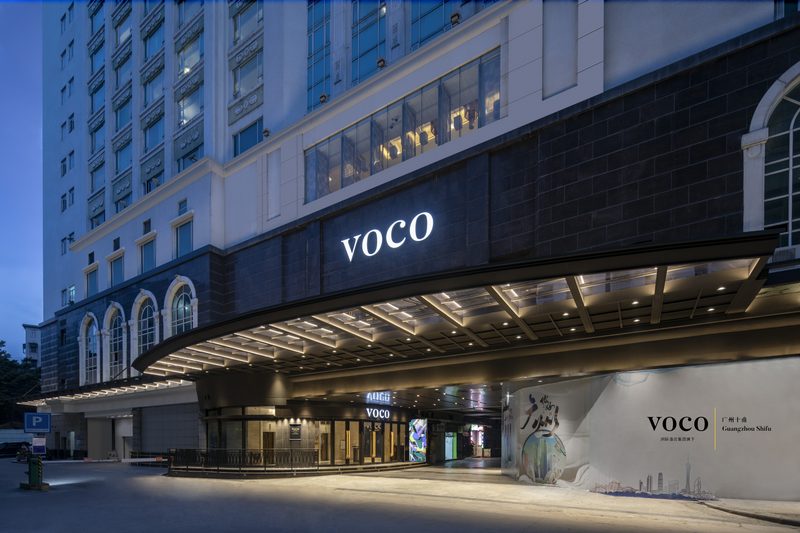
Mercure Guangzhou Beijing Road Pedestrian Street Hotel
From $91 / night
Check Prices on Trip.com →
January Events & Festivals
What's happening during your visit
Early January through late February (official opening usually around January 5th)
Harbin International Ice and Snow Sculpture Festival
This is no mere festival. It is a pop-up metropolis carved from ice. Artisans fly in from every continent to attack 120 kg blocks hauled from the Songhua River, turning them into glowing cathedrals, life-size pagodas, fire-breathing dragons. After dark, LEDs punch neon through every crack. The place feels like walking inside a kaleidoscope. Wear expedition-grade kit: merino base, down mid, windproof shell, balaclava, toe warmers. The site sprawls for 750,000 m²; insulated boots with ice-gripping soles keep you upright and exploring until the closing cannon at 22:00.
Packing Checklist
Bookmark this page — your progress is saved between visits
Need the full list with shopping links?
Climate-specific gear, brand recommendations, and what to leave at home.
View China Packing List →Essential Tips
Insider knowledge and common pitfalls to avoid
Insider Knowledge
In northern cities, step into any major department store (like Beijing's Shin Kong Place) or museum to thaw out. They're overheated to the point of being tropical, and you can linger without pressure.
The best *huoguo* (hotpot) experience is in a crowded, noisy local joint where the menu is only in Chinese. Look for places with individual pots (小火锅 *xiaohuoguo*) if you're wary of sharing a communal pot. The sesame paste and cilantro dipping sauce is non-negotiable.
Forbidden City tickets are capped daily. Even in January, book yours online exactly 7 days in advance when they're released. The on-site ticket offices are often closed in winter.
Taxi drivers might refuse short rides in the extreme cold, at night. Have your hotel concierge write your destination in Chinese characters, and be prepared to use ride-hailing apps like Didi, which are more reliable.
Avoid These Mistakes
Underestimating the travel time between cities. A high-speed train from Beijing to Xi'an still takes 5-6 hours. Don't try to cram both cities and a Wall visit into a 5-day trip.
Assuming all of China is equally cold. Packing only heavy Arctic gear for a trip that includes Shanghai and Guilin will leave you sweating and overburdened.
Not carrying tissues and hand sanitizer. Public restrooms, even in nice attractions, often lack toilet paper and soap, in winter.
Explore More Activities in China
Didn't see anything interesting yet?
Browse Viator's full catalog of tours, day trips, food experiences, and private guides in China.
See All China Tours on Viator