
Things to Do in China in August
August weather, activities, events & insider tips
Shoulder Season · Good Value
August Weather in China
Temperature, rainfall and humidity at a glance
80°F (27°C)
High Temp
55°F (13°C)
Low Temp
0.9 inches (23 mm)
Rainfall
70%
Humidity
⚠ Typhoon risk increases late August for southern China flights and ferry services
Is August Right for You?
Weigh the advantages and considerations before booking
Advantages
- + Southern China's beaches are at their best in August. The South China Sea hits 28°C (82°F) around Hainan and Guangdong. This is prime swimming time. Typhoon season has not peaked yet. Go now.
- + Zhangjiajie and Jiuzhaigou are dripping green. Summer rains feed thundering waterfalls. Morning mist wraps the Avatar pillars. The scene turns surreal. Pack your camera.
- + Night markets thrive in August humidity. Locals stay out until midnight. More stalls fire up. Evening air finally cools. Eat late.
- + Crowds drop after mid-August. Students head back to school. The Forbidden City sees 30-40% fewer visitors than July. Lines shrink. Photos improve.
Considerations
- − Shanghai and Hangzhou humidity is brutal. Subway platforms feel like saunas. You will sweat through your shirt by 9am. Indoor AC hits like a freezer. Dress in layers.
- − Beijing and Xi'an get afternoon storms every 2-3 days. Timing is predictable: 3-5pm. Outdoor temple plans can wash out. Great Wall steps turn slippery. Carry traction.
- − Southern China enters peak typhoon season. Direct hits are rare. Flights to Hong Kong, Macau and Guangzhou still get delayed when storms track within 500km (310 miles). Build in buffer days.
Best Activities in August
Top things to do during your visit
August in China is heavy with humidity. The air feels thick. Temperatures reach a warm peak, though nights bring a slight, welcome coolness. This month has long twilights and sudden, brief downpours that steam on the pavement. Two distinct festivals mark the rhythm. In mid-August, the Qixi Festival turns public spaces into scenes of quiet romance. Couples thread red ribbons through tree branches. By late August, the mood shifts for the Ghost Festival. The scent of smoldering incense and paper offerings fills the humid night. It is a solemn, smoky tribute to ancestors. Travelers here move through a landscape of celebration and remembrance. The heat seems to amplify every color and sound.

Tibet Tour 8 Days Lhasa to Everest Base Camp Small Group Tour
guided_experienceThin, cool air carries the murmur of pilgrims and the low drone of monks chanting inside the Potala Palace. The route pushes south across the Tibetan Plateau. It passes turquoise Yamdrok Lake and over high mountain passes draped in snapping prayer flags. It ends at the gravelly vastness of Everest Base Camp.
This trip packs the spiritual weight and physical grandeur of Tibet into one manageable itinerary. You will stand before the north face of the world's highest mountain.
Insider tip: The high-altitude sun is relentless. Use zinc oxide or a physical sunscreen on your face. Pack sealed lip balm, as the dry air cracks skin quickly.
This month: August afternoon rains on the plateau can briefly hide the mountains. They also leave the skies crystal clear.

Tibet Tour 15 Days Lhasa to Kailash Trekking Small Group via EBC
adventureIt goes from the golden rooftops of Lhasa past the stark majesty of Everest Base Camp to the sacred, isolated peak of Mount Kailash. The air grows thinner. The landscape becomes more elemental. You will join a stream of determined pilgrims on the ancient kora trek around the mountain's base.
This is one of the few trips that completes the full circuit from Lhasa to Mount Kailash. It combines deep cultural time with serious physical challenge.
Insider tip: Break in your trekking boots before you arrive. The rocky, uneven path of the kora is no place for new boots or blisters.

Xi'an Morning Food & Market Tour by TukTuk
foodIt delivers you to steaming breakfast stalls. The scent of fried bread and cumin-spiced meat fills the air. Taste the city's morning rhythm with bowls of hot, sour lamb soup and freshly-pulled noodles. Then see the visual chaos of a wet market with glistening fish and pyramids of ripe, local fruit.
This bypasses tourist restaurants for an authentic taste of how Xi'an residents start their day. It goes from sizzling street woks to busy local markets.
Insider tip: Go with an empty stomach. Be ready to eat immediately. The best stalls sell out of popular items by mid-morning.

13 Day Lhasa, Mt. Everest, Mt. Kailash to Kathmandu Adventure
otherIt goes from the palace complex in Lhasa to the tent city at Everest Base Camp, across the western plateau to Mount Kailash, then down through the Himalayan folds to Kathmandu. The journey feels like a slow unraveling of modern life. You will see nomads' tents on endless grasslands and feel gravel underfoot on high passes.
It has a complete traverse of the Tibetan Plateau. This connects its two greatest pilgrimage sites with a dramatic exit into Nepal.
Insider tip: Pack a small, separate bag with essentials for the Mount Kailash trek. You will leave your main luggage with the vehicle during those days.

7 Days Lhasa to Kathmandu Overland Small Group Tibet Tour via EBC
guided_experienceThe tour moves from Lhasa's incense-heavy temples past jewel-toned Yamdrok Lake to the Rongbuk Valley and the foot of Everest. Then it winds down through lush, steep gorges into Nepal. You will feel the temperature shift from the dry, cool plateau to the warm, humid air of the subtropical lowlands.
This is the most direct route from the Tibetan capital to the Nepal border. It is for travelers who want to experience Everest Base Camp without a longer commitment.
Insider tip: Bring small, easy snacks like nuts or chocolate for the long drive days. Roadside meal stops can be unpredictable.

Private Full-Day Xi'an Highlights Tour with Pickup and Lunch
day_tripSee the silent, impressive ranks of the Terracotta Army. Hear the rhythmic call of cicadas atop the ancient city walls. The day includes a lunch of local specialties. You might have the tangy bite of biangbiang noodles or the soft sweetness of persimmon cakes. This is a curated look at into the city's imperial history and its living food traditions.
It delivers a complete, efficient, and comfortable look at Xi'an's excellent historical attractions. You get flexibility to linger at what interests you most.
Insider tip: Ask for an early start to see the Terracotta Warriors' pits in relative quiet before the tour buses arrive.
Where to Stay in China in August
Hand-picked hotels across price tiers for August travellers.
★★★★
Mid-Range
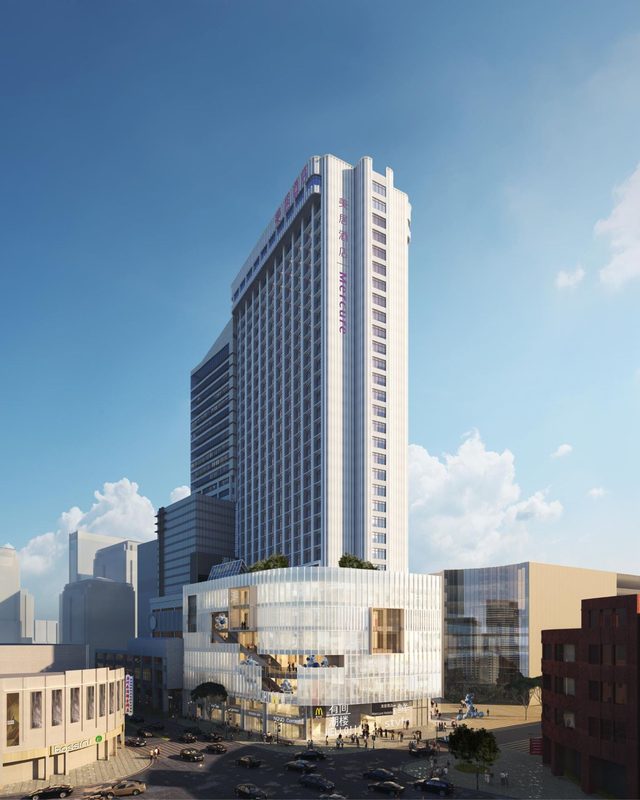
Mercure Guangzhou Beijing Road Pedestrian Street Hotel
From $91 / night
Check Prices on Trip.com →
August Events & Festivals
What's happening during your visit
Mid August
Qixi Festival (Chinese Valentine's Day)
The seventh day of the seventh lunar month lands in mid-August. Parks morph into open-air dating scenes. Couples tie red ribbons on trees. Matchmakers lay out card tables. West Lake stages opera on floating platforms. The Cowherd and Weaver Girl legend retells. Hotel prices spike for one weekend only.
Late August
Ghost Festival (Zhongyuan)
The 15th day of the seventh lunar month brings Ghost Festival. Offerings of food and fake money burn for ancestors. Incense hangs thick in humid air. In Guangzhou, paper iPhones and sports cars go up in flames. Temples chant overnight. Monks drone until dawn. Humid nights feel eerie.
Packing Checklist
Bookmark this page — your progress is saved between visits
Need the full list with shopping links?
Climate-specific gear, brand recommendations, and what to leave at home.
View China Packing List →Essential Tips
Insider knowledge and common pitfalls to avoid
Insider Knowledge
Book high-speed rail tickets exactly 30 days ahead - the G-trains release seats at 8am Beijing time, and popular routes like Beijing-Xi'an sell out within hours for August travel
Download WeChat Pay before arrival - even street food vendors in tier-3 cities now prefer mobile payments over cash, and you'll get local prices instead of tourist rates
Carry toilet paper everywhere - public restrooms in parks and tourist sites rarely provide it, and August humidity means you'll sweat through clothes faster than expected
Learn 'tai re le' (too hot) - locals use this phrase constantly in August, and saying it earns immediate sympathy plus suggestions for the nearest air-conditioned teahouse
Avoid These Mistakes
Trying to see the Great Wall at midday - the stone reflects heat and there's zero shade. Start 7am or go 4pm when tour buses leave and temperature drops 5°C (9°F)
Wearing shorts into temples - many religious sites require covered legs and shoulders, and August humidity makes long linen pants cooler than shorts plus sunburn
Assuming air conditioning everywhere - smaller cities and older buildings often lack it, and power cuts during afternoon storms mean even fancy hotels can lose AC for hours
Explore More Activities in China
Didn't see anything interesting yet?
Browse Viator's full catalog of tours, day trips, food experiences, and private guides in China.
See All China Tours on Viator