
Things to Do in China in July
July weather, activities, events & insider tips
Shoulder Season · Good Value
July Weather in China
Temperature, rainfall and humidity at a glance
82°F (28°C)
High Temp
55°F (13°C)
Low Temp
2.1 inches (53 mm)
Rainfall
70%
Humidity
⚠ Afternoon thunderstorms can produce flash flooding in southern cities - avoid underground shopping areas during heavy rain
⚠ UV index reaches 8 at midday - sunburn happens faster than most travelers expect, at altitude
Is July Right for You?
Weigh the advantages and considerations before booking
Advantages
- + July is one of China's best-kept secrets. While everyone assumes it's scorching, most of the country sits in the 70s-80s°F range. Cooling afternoon showers clear the air.
- + Student crowds vanish after early July. You'll walk right into the Forbidden City. Forget the usual 2-hour queue that defines peak season.
- + High-altitude destinations like Lijiang and Shangri-La hit their sweet spot. Warm days, cool nights, crystal-clear mountain air. Impossible in winter.
- + The rice terraces in Longji and Yuanyang are at their most spectacular. Every terrace mirrors the sky. Nature's infinity pools during the growing season.
Considerations
- − Southern cities like Guangzhou and Shenzhen turn into steam rooms. Humidity hits 85%. Afternoon thunderstorms dump an inch of rain in 30 minutes.
- − Domestic tourism doesn't stop completely. Chinese families still travel during summer break. Popular spots like West Lake and the Great Wall see weekend surges.
- − Some high-speed train routes sell out faster than you'd expect. Beijing-Shanghai corridors mix business travelers with tourists.
Best Activities in July
Top things to do during your visit
July in China is hot and humid. The air feels thick. Sudden downpours cool the cities and leave the countryside intensely green. Plan your travel rhythm around this climate. Mornings and late afternoons are best for exploration. The midday sun encourages a pause in a shaded teahouse or an air-conditioned museum. This month also has a unique cultural calendar. In late July, the Qixi Festival transforms places like Hangzhou's West Lake. Evening light catches on floating lanterns there. Couples tie red ribbons to ancient bridges, celebrating a celestial love story. Meanwhile, the Torch Festival ignites nights in the southwestern highlands. The scent of pine smoke fills the air around towering flames. Yi and Bai communities in Yunnan celebrate with dances that last until dawn. It is a vivid counterpoint to the summer heat.

Tibet Tour 8 Days Lhasa to Everest Base Camp Small Group Tour
guided_experienceStart in Lhasa. The air there is thin and scented with incense. Pilgrims murmur prayers amidst the golden roofs of the Potala Palace. This eight-day journey then pushes across the high Tibetan plateau. You will hear the wind whistle over prayer flags at high passes. You will feel the chill of a morning at Yamdrok Lake's turquoise edge. Finally, you stand before the silent, north face of Everest. The only sound is your own breath in that immense quiet.
To trace a path from ancient monastic capital to the foot of the planet's highest peak. You experience Tibet's profound spiritual and physical landscape in one continuous arc.
Insider tip: Pack a refillable water bottle and lip balm. The high-altitude air combined with July's stronger sun is intensely dehydrating. This is true even when temperatures feel moderate.

Tibet Tour 15 Days Lhasa to Kailash Trekking Small Group via EBC
adventureThis fifteen-day expedition is for the committed. It ventures beyond the well-trodden path to Mount Kailash, a pyramid of rock revered across multiple religions. You will taste the dust of remote trails. You will feel the crunch of glacial moraine underfoot. You will see the stars blaze with impossible clarity over a silent, high-altitude camp.
To undertake one of Asia's most legendary treks. You circle the sacred peak of Kailash after first witnessing the grandeur of Everest.
Insider tip: July offers the most stable window for this high-altitude trek. Afternoon cloud cover can still roll in swiftly, however. Start each day's walk at first light to maximize clear skies and visibility.
This month: This is the primary season for the Kailash kora. Passes are snow-free, though brief afternoon showers are possible.

Xi'an Morning Food & Market Tour by TukTuk
foodA rattling three-wheeled tuk-tuk weaves through the backstreets of Xi'an just as the city stirs. It delivers you to steaming cauldrons and sizzling griddles where breakfast is being crafted. You will taste the smoky char of roujiamo meat stuffed in a baked bun. You will hear the slap of hand-pulled noodles hitting a counter. You will feel the warmth of a freshly fried youtiao pastry. Your guide deciphers the stories behind each family-run stall.
To experience the authentic culinary heartbeat of Xi'an. This happens far from the tourist restaurants, guided by a local who knows every vendor and their best dish.
Insider tip: Come with an empty stomach. Skip hotel breakfast entirely. The tour is a progressive meal where each stop builds upon the last. The quality is far superior to any hotel buffet.

13 Day Lhasa, Mt. Everest, Mt. Kailash to Kathmandu Adventure
otherThis thirteen-day overland epic strings together the crown jewels of the Tibetan plateau and the Himalayas. You will see the prayer-flag-draped cliffs of the Gyantse valley. You will feel the profound solitude of Lake Manasarovar's shores. Finally, you descend through the lush, waterfall-cut gorge into the chaotic energy of Kathmandu.
To experience the full geographic and cultural spectrum from the high, arid Tibetan plateau down to the green foothills of Nepal. It is a journey of dramatic transformation.
Insider tip: While July is the warmest month on the plateau, the descent into Nepal will be hot and humid. Pack a separate, lightweight layer of clothing for the final days of the trip.

7 Days Lhasa to Kathmandu Overland Small Group Tibet Tour via EBC
guided_experienceThis week-long journey has a condensed traverse of the roof of the world. It links Lhasa's golden monasteries with the north face of Everest before spiraling down through Himalayan foothills to Kathmandu. You will feel the bus vibrate on the famed Friendship Highway. You will see the prayer wheels spinning at ancient Tashilhunpo. You will smell the distinct shift from dry plateau air to the damp, fertile scent of the Nepalese mid-hills.
For travelers with limited time who still seek the well-known highlights of Tibet and the dramatic overland transition to Nepal.
Insider tip: Secure the window seat on the left side of the vehicle after leaving Lhasa. This gives the best, unobstructed views of the vast landscapes and high mountain passes.

Private Full-Day Xi'an Highlights Tour with Pickup and Lunch
day_tripThis personalized tour of Xi'an allows you to bypass the crowds. You absorb the city's monumental history at your own pace. You will feel the cool shade within the thick walls of the ancient City Wall. You will hear the quiet echoes inside the Wild Goose Pagoda. You will stand before the silent ranks of the Terracotta Warriors. Their clay details are sharp in the museum's controlled light.
To gain a complete, curated understanding of Xi'an's millennia of history. This spans from its ancient capital glory to its modern Muslim Quarter. A private guide provides convenience and depth.
Insider tip: Request an early start to visit the Terracotta Warriors complex. The main exhibition halls become overwhelmingly packed and hot by late morning, in July.
Where to Stay in China in July
Hand-picked hotels across price tiers for July travellers.
★★★★
Mid-Range
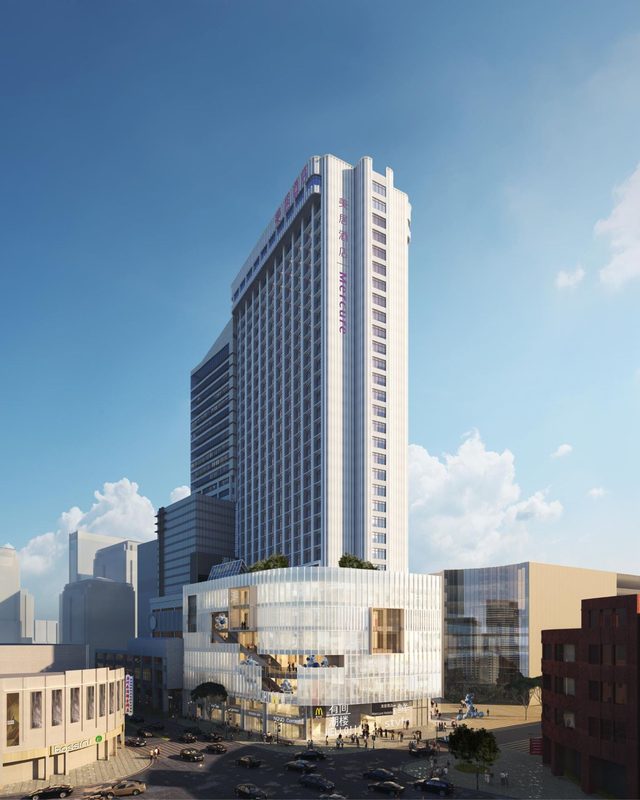
Mercure Guangzhou Beijing Road Pedestrian Street Hotel
From $91 / night
Check Prices on Trip.com →
July Events & Festivals
What's happening during your visit
Late July to early August
Chinese Valentine's Day (Qixi Festival)
Falling on the 7th day of the 7th lunar month (usually late July/early August), this transforms West Lake in Hangzhou into a lover's great destination. Floating lantern releases and couples tying red ribbons on ancient bridges. The legend of the cowherd and weaver girl plays out in traditional operas at Lingyin Temple.
Mid to late July
Torch Festival
Yi and Bai minorities in Yunnan light massive bonfires. They parade through villages carrying torches that fill the mountain air with pine smoke. Dali's Three Pagodas become the backdrop for traditional wrestling matches. Circle dancing lasts until dawn.
Packing Checklist
Bookmark this page — your progress is saved between visits
Need the full list with shopping links?
Climate-specific gear, brand recommendations, and what to leave at home.
View China Packing List →Essential Tips
Insider knowledge and common pitfalls to avoid
Insider Knowledge
Download WeChat before arrival. Every taxi driver, hotel, and restaurant uses it for payments and communication. Foreign cards work through TourPass feature.
The 12306 train app accepts foreign passports but requires passport verification at station ticket windows 24 hours before travel. Don't wait until departure day.
Temples offer free incense at 6am morning ceremonies. Arrive early and you'll participate with locals. Tour groups pay for packaged experiences.
Hot pot restaurants in Chongqing will ask 'ma la' level. Say 'wei la' (mild) unless you enjoy the numbing sensation. Your lips vibrate for 20 minutes.
Weekend crowds at the Great Wall triple around 10am. Stay in Beijing's Huairou district. Hike Mutianyu at 7am when it opens to locals.
Avoid These Mistakes
Booking the wrong Beijing airport - Daxing is 46 km (29 miles) from downtown versus Capital's 25 km (16 miles), and taxi drivers routinely get confused by similar names
Assuming English works everywhere - even at Shanghai's tourist information centers, staff often speak only Mandarin and gesture communication
Trying to see everything in one trip - China's bullet trains make distances seem short, but Beijing-Xi'an alone is 5.5 hours and you'll waste days in transit
Ignoring the altitude in Lhasa - at 3,650 m (11,975 ft), altitude sickness hits 30% of visitors who fly directly from sea level without acclimatization
Explore More Activities in China
Didn't see anything interesting yet?
Browse Viator's full catalog of tours, day trips, food experiences, and private guides in China.
See All China Tours on Viator