
Things to Do in China in February
February weather, activities, events & insider tips
Shoulder Season · Good Value
February Weather in China
Temperature, rainfall and humidity at a glance
41°F (5°C)
High Temp
19°F (-7°C)
Low Temp
0.4 inches (10 mm)
Rainfall
70%
Humidity
⚠ Extreme cold waves can sweep across northern and eastern China, with temperatures dropping significantly below the averages, leading to icy conditions and increased heating demands. Brace yourself.
Is February Right for You?
Weigh the advantages and considerations before booking
Advantages
- + The Great Wall stands almost empty in February, letting you hear the wind whistle through the parapets without the summer chorus of tour groups. Silence rules the stone. Worth it.
- + Hotels in Beijing, Shanghai, and Xi'an run at shoulder-season rates, making a week in a well-located courtyard hotel surprisingly affordable. Book now.
- + You'll witness the year's biggest cultural event, the Spring Festival, which floods cities with red lanterns, deafening firecrackers, and family-focused energy. Feel it.
- + Northern China's crisp, dry air gives notable clarity, turning a walk along the Forbidden City's frozen moat into a scene of stark, photographic beauty. Pack gloves.
Considerations
- − The Spring Festival travel rush, or Chunyun, is the largest human migration on earth. Long-distance trains sell out months in advance, and domestic airports stay chaotic for two weeks. Plan early.
- − Beijing temperatures can plunge well below freezing, with a biting wind that cuts through thin layers. Outdoor sightseeing demands serious thermal commitment. Layer up.
- − Much of the country shuts down for the holiday. Smaller restaurants, family-run shops, and even some museums close for up to a week, limiting your options. Check ahead.
Best Activities in February
Top things to do during your visit
February in China is a month of stark contrasts, where the lingering chill of winter in the north meets the crisp, clear air that defines the season. The low humidity and sparse rainfall create a sharpness to the light, illuminating ancient city walls and modern glass towers with equal clarity. Across much of the country, locals move with a purposeful briskness, their breath visible in the morning air, while evenings are for gathering around steaming hot pots, the air thick with the aroma of simmering broth and Sichuan peppercorns. This is a time for interiors and intimate journeys, from the hushed, incense-scented halls of temples to the otherworldly high-altitude plains of the Tibetan Plateau, which are at their most accessible and visually dramatic before the spring thaw. For travelers, February has a China seen without the veil of summer haze or the dense crowds of peak seasons. The skeletal branches of gingko trees against a pale sky frame views of imperial architecture, and the cold lends a tactile intensity to experiences, from feeling the worn smoothness of a centuries-old stone lion to warming your hands around a clay cup of fragrant tea. It is a period defined by atmospheric clarity and a slower, more contemplative pace, good for immersive cultural encounters and ambitious overland expeditions where the elements are part of the narrative.

Tibet Tour 8 Days Lhasa to Everest Base Camp Small Group Tour
guided_experienceThis eight-day journey begins in the sunny, prayer-flag-lined alleyways of Lhasa before climbing onto the roof of the world, culminating at the gravelly moraine of Everest Base Camp. You will hear the deep, resonant chants from within the Jokhang Temple and feel the thin, piercingly cold air of the Tibetan highlands as you gaze upon the north face of the world's highest peak. The trip is a profound traverse from sacred urban centers to the raw, elemental silence of the Himalayas.
It delivers the well-known pilgrimage to Mount Everest within a compact timeframe, pairing profound cultural immersion with a legendary physical destination.
Insider tip: Spend your first afternoon in Lhasa slowly circling the Barkhor pilgrimage circuit with the locals to acclimatize, listening to the murmur of prayers and the rhythmic click of hand-held prayer wheels.
This month: The dry, stable weather of February often provides exceptionally clear views of the Himalayan giants, though temperatures at Everest Base Camp are severe.

Tibet Tour 15 Days Lhasa to Kailash Trekking Small Group via EBC
adventureThis fifteen-day expedition is one of the continent's great overland adventures, linking the spiritual heart of Lhasa with the ultimate pilgrimage circuit around Mount Kailash, passing the base camp of Everest along the way. You will smell the faint scent of juniper incense burned at high-altitude passes, see the turquoise waters of Lake Manasarovar against a backdrop of snow, and feel the crunch of frozen earth underfoot during the three-day trek.
It combines the terrestrial challenge of the Everest region with the profound spiritual journey of the Mount Kailash kora, a singular feat of travel.
Insider tip: Pack hand and toe warmers inside your sleeping bag for the frigid nights spent in guesthouses near Mount Kailash, where heating is minimal.
This month: February is the coldest period for this trek, with the landscape locked in a deep freeze, making the kora around Mount Kailash a stark and demanding winter pilgrimage.

Xi'an Morning Food & Market Tour by TukTuk
foodZip through the morning markets of Xi'an in a brightly painted tuk-tuk, a vehicle whose puttering engine provides the soundtrack for a feast of flavors. You will taste the fiery, oily kick of hand-pulled biangbiang noodles, smell the sweet, doughy fragrance of fresh-roasted persimmon cakes, and see the lively piles of scarlet chilies and ivory garlic at the busy produce stalls.
It offers an energetic, localized introduction to Shaanxi cuisine, moving beyond the tourist restaurants to the authentic vendors who feed the city.
Insider tip: Come with an empty stomach and ask your guide to take you to the stall near the Muslim Quarter that serves *la zi rou jia mo*, a spicy stewed pork stuffed into a flatbread.

13 Day Lhasa, Mt. Everest, Mt. Kailash to Kathmandu Adventure
otherThis thirteen-day overland epic charts a course from the palaces of Lhasa, across the high desert plains past Everest, to the sacred sites of Mount Kailash, before descending through the Himalayan valleys to Kathmandu. You will hear the silence of the Tibetan plateau broken only by the wind, see the prayer flags at the Gyatso La pass snapping in the breeze, and feel the gradual transition from the dry, cold altitude to the greener, milder air of Nepal.
It is a complete trans-Himalayan experience, covering the major spiritual and geographical landmarks of the region in one continuous, transformative journey.
Insider tip: The descent from the high plateau into Nepal can be jarring. Pack layers you can easily shed as the temperature and humidity rise dramatically.

7 Days Lhasa to Kathmandu Overland Small Group Tibet Tour via EBC
guided_experienceA condensed week-long overland route from Lhasa to Kathmandu, this tour packs the highlights of the Friendship Highway into a manageable itinerary. You will see the golden roofs of the Potala Palace glow in the low winter sun, feel the bus rumble along rugged roads past yak-dotted pastures, and taste the simple, fortifying comfort of Tibetan noodle soup in roadside teahouses.
It provides the essential experience of the Tibet-to-Nepal overland journey for travelers with limited time, without sacrificing the key vistas of the Himalayas.
Insider tip: Request a window seat on the left side of the vehicle after leaving Lhasa for the best, unobstructed views of the Himalayan range as you travel south.
This month: February's dry conditions mean less chance of road closures due to mud or landslides on the route to Nepal, though snow at the highest passes is possible.

Private Full-Day Xi'an Highlights Tour with Pickup and Lunch
day_tripThis private tour allows for a deep, unrushed exploration of Xi'an's monumental history, from the silent, awe-inspiring ranks of the Terracotta Army to the immense, cyclopean stones of the city walls. You will hear the echoes of footsteps in the vast excavation pits, see the intricate details on the ancient clay warriors under the soft museum light, and feel the cool, smooth surface of the stone balustrades atop the walls.
It delivers personalized, efficient access to Xi'an's signature historical sites with the context and flexibility that only a private guide can provide.
Insider tip: Visit the Terracotta Army during the late afternoon when the crowds from large coach tours have typically begun to dissipate, allowing for a more contemplative viewing.
Where to Stay in China in February
Hand-picked hotels across price tiers for February travellers.
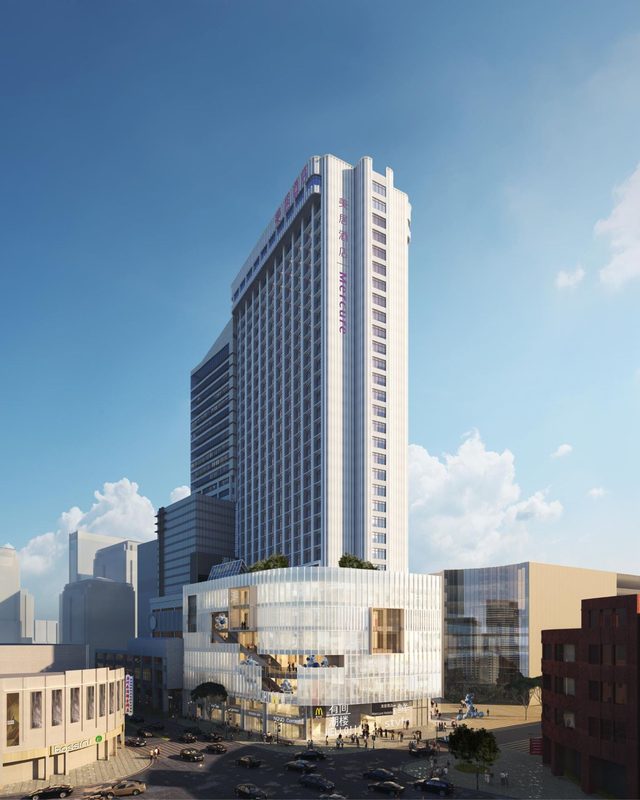
★★★★
Mid-Range
Mercure Guangzhou Beijing Road Pedestrian Street Hotel
From $91 / night
Check Prices on Trip.com →
February Events & Festivals
What's happening during your visit
Late January to Mid February (dates vary annually)
Chinese New Year (Spring Festival)
This is no mere holiday. It is the emotional and social axis of the year. For about a week centered on Lunar New Year's Day (sometime between late January and mid-February), Beijing and Shanghai shed their workday crowds yet pulse with ritual. Families gather for reunion dinners of whole fish and dumplings, temples overflow with offerings, and every night the sky erupts in fireworks. Be in a residential area on New Year's Eve to hear the continuous barrage of firecrackers meant to scare away evil spirits.
Early January through Late February
Harbin International Ice and Snow Sculpture Festival
The world's largest ice festival turns Harbin into a glittering, sub-zero wonderland. Massive blocks of ice harvested from the Songhua River are carved into translucent castles, pagodas, and sculptures, lit internally with dazzling colored lights. The sound mixes shivering tourists, grinding ice tools, and festive music. The experience demands stamina in extreme cold. Yet the visual spectacle is unmatched anywhere on the planet.
Packing Checklist
Bookmark this page — your progress is saved between visits
Need the full list with shopping links?
Climate-specific gear, brand recommendations, and what to leave at home.
View China Packing List →Essential Tips
Insider knowledge and common pitfalls to avoid
Insider Knowledge
The week *after* the Spring Festival holiday (usually starting around the 6th or 7th day of the lunar new year) is golden. Everyone is back at work, travel chaos has subsided. But many decorations are still up, and the mood is relaxed. Book now.
Visit local wet markets in the morning. Even during the holiday, they're hubs of activity, steaming with the smell of fresh baozi (steamed buns) and alive with the shouts of vendors selling bright red New Year couplets and blooming narcissus flowers. Go early.
Forbidden City tickets for the day after a major snowfall are the most coveted. The sight of the imperial rooftops dusted in white is legendary. But you must book online the moment tickets are released, usually a week in advance. Set alarms.
If you're taking long-distance trains, book tickets the moment they go on sale (usually 30 days in advance for foreigners). During Chunyun, sleeper berths vanish in minutes. Consider flying for journeys over 4 hours. Act fast.
Avoid These Mistakes
Underestimating the cold and packing only a light jacket. The humidity makes the cold feel wetter and more penetrating, in central and eastern China. Pack heavy.
Trying to cram in too much inter-city travel during the Spring Festival rush. Assume any train or flight will be packed, delayed, and stressful. Pick a base and explore locally. Stay put.
Expecting everything to be open. Many beloved local eateries, in smaller cities, close for the entire first week of the lunar new year. Have backup plans and hotel restaurants in mind. Plan ahead.
Explore More Activities in China
Didn't see anything interesting yet?
Browse Viator's full catalog of tours, day trips, food experiences, and private guides in China.
See All China Tours on Viator